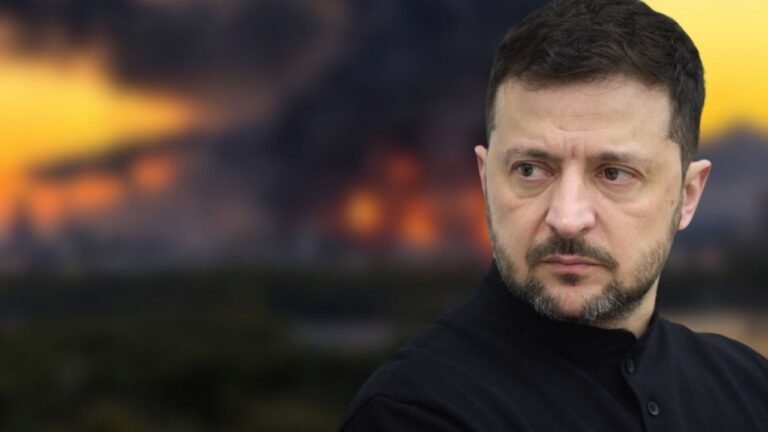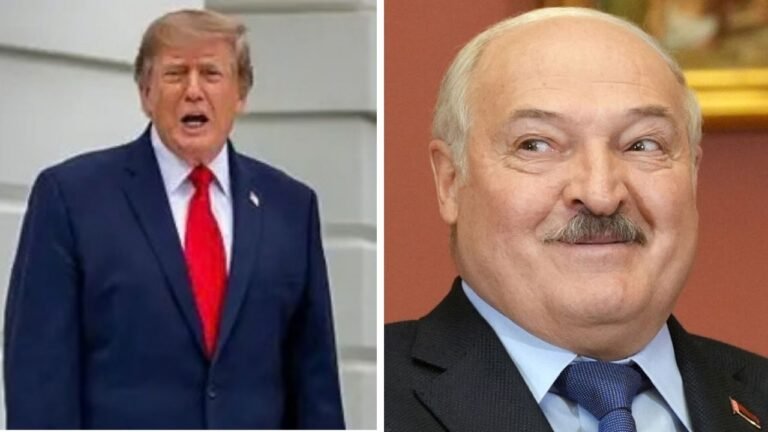
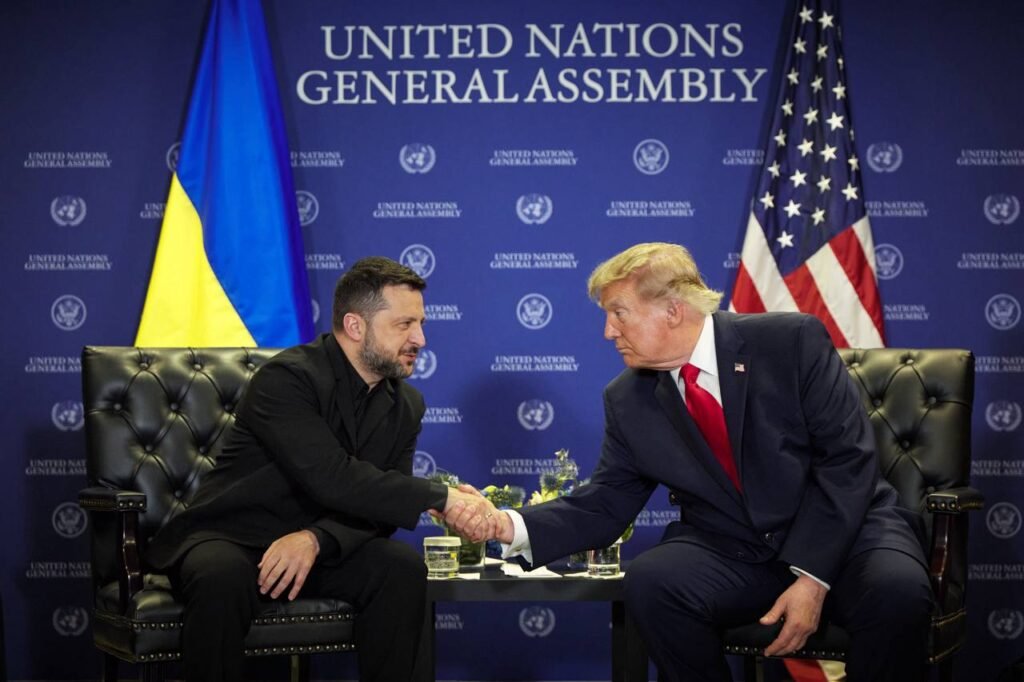
The Zelenskyy Trump meeting on the sidelines of the UN General Assembly in New York was expected to become one of the key diplomatic moments for Ukraine.. Zelenskyy himself said the meeting “could change a lot,” while U.S. Vice President JD Vance said beforehand that it would be very important and could bring progress toward ending the war.
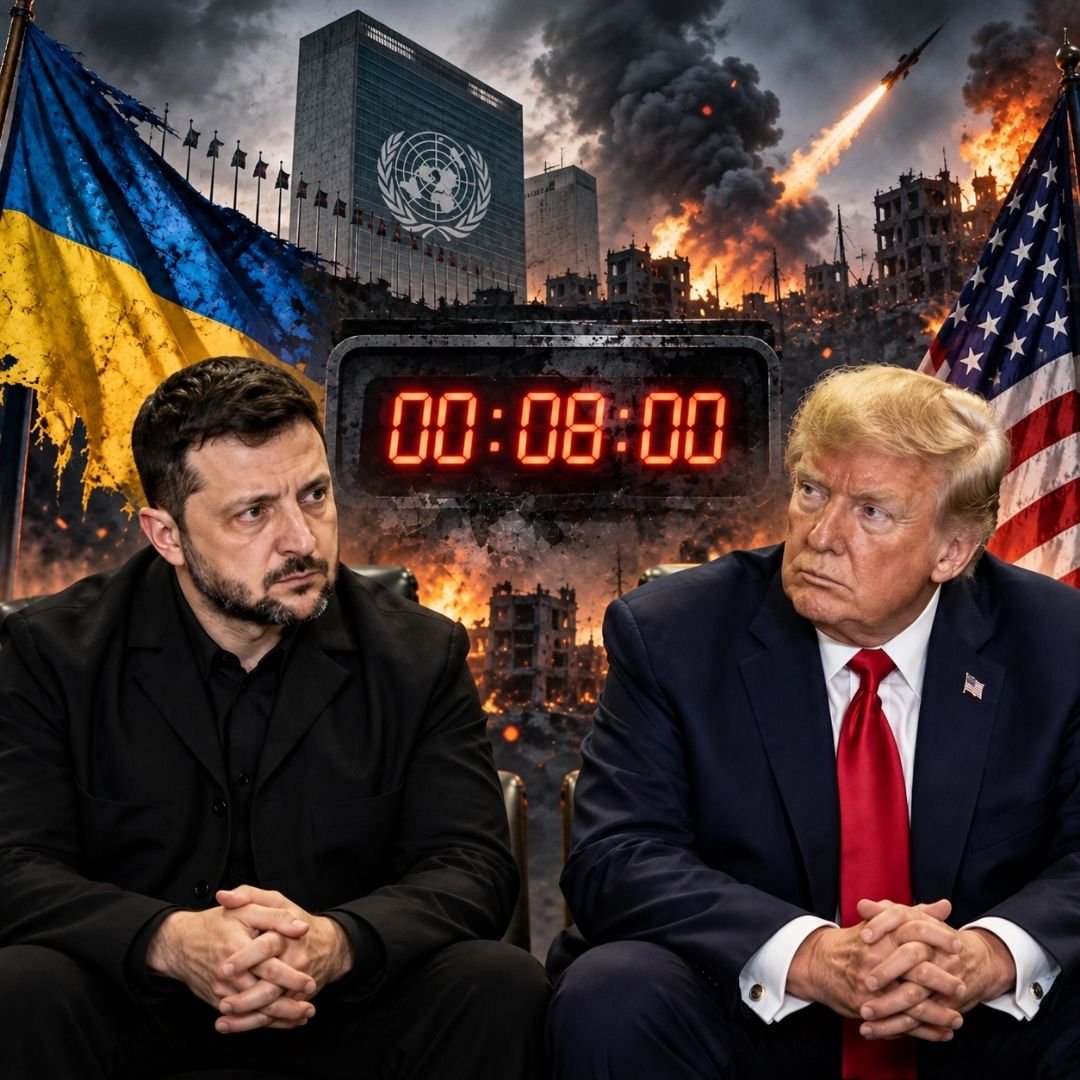
The open part of the meeting was brief — about eight minutes. Trump did most of the talking. The negotiations then continued behind closed doors.
Zelenskyy voiced one of his main points while the cameras were still rolling: Ukraine wants to end the war as soon as possible — before winter.
“I hope that we will end this war. President Trump will help us to end this war. And I think that we have to do it as quick as possible — before winter,” Zelenskyy said.
Trump immediately echoed him: “Before winter. Big thing — before winter.”
So, at least publicly, the two presidents demonstrated a shared view of the desired timeline. But the main question remained after the meeting: how exactly do they intend to make Russia agree?
PATRIOT: A PROMISE WE HAVE HEARD BEFORE
One of the most concrete outcomes of the talks was Zelenskyy’s statement that Trump had approved granting Ukraine a license to produce interceptor missiles for Patriot air defense systems.
For Ukraine, with another winter approaching, this is indeed an important signal. Russia continues to attack Ukrainian energy infrastructure, and additional air defense capabilities could prove critical.
But there is one problem: we have heard almost exactly the same thing before.
On July 8, Trump publicly said that the United States would grant Ukraine the relevant license. The following day, Zelenskyy said the issue had been agreed at the political level.
But by July 31, the U.S. president had effectively walked it back.
“We have not agreed to that. We are discussing it,” Trump said at the time.
That makes it difficult to treat the U.S. president’s latest “yes” as a final guarantee. There is still a gap between political approval and an actual license — a gap Ukraine has already failed to cross once.
THE PUTIN FACTOR
There is another reason to be cautious about agreements with Trump until they are turned into concrete decisions.
Throughout the negotiations over the war, one characteristic feature of the U.S. president’s diplomacy has already become apparent: his rhetoric toward Russia and Ukraine can change quite quickly after personal contacts with Vladimir Putin.
Trump regularly holds lengthy phone calls with the Russian president. Sometimes he emerges from them expressing frustration with Putin, while on other occasions his public position toward Moscow becomes softer.
This does not prove that Putin personally persuaded Trump to abandon the July agreement on Patriot. But for Kyiv, the risk is obvious: a political promise from the U.S. president remains just a promise until it is translated into a practical decision.
So after New York, a logical question arises: will Trump’s latest “yes” turn into an actual license before the U.S. president holds another hours-long conversation with Putin?
END THE WAR BEFORE WINTER. BUT HOW?
This is the central question after the meeting.
Zelenskyy and Trump publicly agreed that they would like to see the war end before winter. After the talks, the Ukrainian president also said the two sides had discussed possible de-escalation steps that could open the way to diplomacy.
However, no specific mechanism capable of forcing Moscow to accept such a scenario was presented publicly.
And the very next day, the Kremlin sent a signal that sharply contrasted with the optimistic statements made in New York.
On September 23, Vladimir Putin’s press secretary Dmitry Peskov said there were currently no prerequisites for moving toward peace negotiations. At the same time, Moscow continues to say that it is prepared to receive Zelenskyy for talks in the Russian capital.
There are also no concrete prerequisites at this point for another meeting between Trump and Putin.
The picture is revealing: in New York, the presidents of Ukraine and the United States talk about ending the war before winter, while the very next day the Kremlin effectively responds that there are not even prerequisites for moving toward a full-fledged peace process.
This is where the optimistic rhetoric of the meeting collides with reality.
WHERE IS THE PROMISED BREAKTHROUGH?
Ahead of the meeting, JD Vance raised expectations considerably. The U.S. vice president spoke about the importance of the upcoming talks and the possibility of progress toward ending the war.
Perhaps progress was made behind closed doors. Both Zelenskyy and Trump indicated after the talks that they see options for further action.
But publicly, those options were never specified.
No new negotiating format was announced. No plan was presented for forcing the Kremlin to change its position. Nor was there any announcement of preparations for direct talks with the Russian side.
For now, the main result regarding an end to the war can essentially be summed up this way: Kyiv and Washington want to end it before winter and say they know how to move forward.
Whether that is enough after nearly five years of full-scale war is another question.
GRAHAM’S “HELLISH” SANCTIONS LAW — THE MAIN HOPE?
Perhaps part of the answer lies in the United States’ new sanctions mechanism.
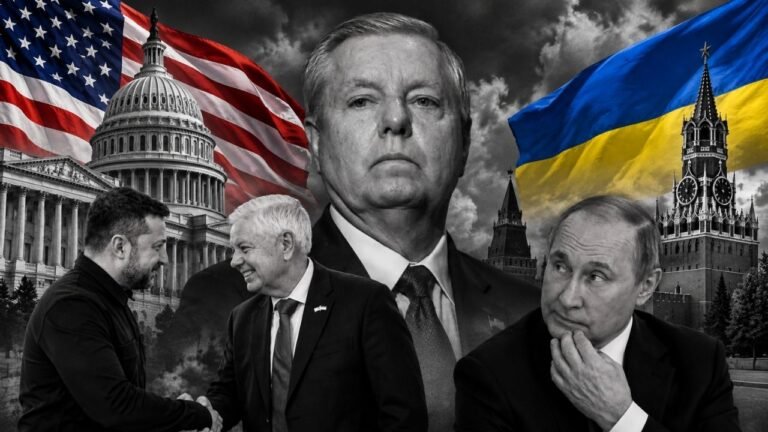
On September 18, Trump signed sweeping legislation aimed at increasing economic pressure on Russia, developed with the involvement of Senators Lindsey Graham and Richard Blumenthal.
The law gives the U.S. president significantly broader powers to exert pressure not only directly on Russia, but also on countries that continue to purchase Russian energy. Among other measures, it provides for tariffs of up to 100%, as well as sanctions against Russian banks, the energy sector and the “shadow fleet.”
Trump also spoke about economic pressure during his address to the UN.
Perhaps Washington views this law as one of the main levers capable of forcing Putin to change his calculations.
But this raises another uncomfortable question: will new sanctions really force the Kremlin to stop the war?
Russia has been living under various Western sanctions since 2014. After the full-scale invasion began in 2022, their scale became unprecedented, yet they did not force Moscow to stop fighting.
The new U.S. law could potentially inflict a much greater blow, particularly if Washington actively applies secondary measures against buyers of Russian energy.
However, there is also a difference between having the power to impose sanctions and actually deciding to use it.
Graham’s “hellish” sanctions law could therefore become a serious lever in Trump’s hands. Whether it actually does will depend on Trump himself.
SUSIE WILES AND TRUMP’S INNER CIRCLE
There was another interesting detail from the meeting that was overshadowed by the statements about Patriot and ending the war.
Political commentator Yulia Zabelina drew attention to the presence of White House Chief of Staff Susie Wiles.
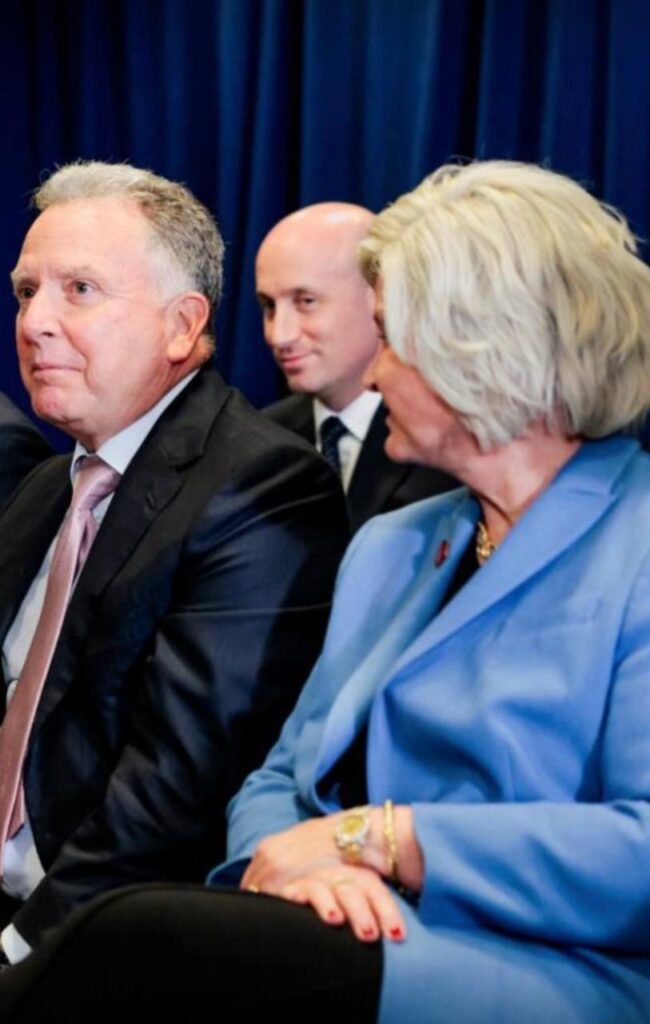
Wiles is part of the U.S. president’s inner circle and, according to Zabelina, does not often attend meetings specifically with the Ukrainian side.
The composition of the U.S. delegation was revealing overall: people from Trump’s closest political circle were sitting at the table. They included Secretary of State Marco Rubio, Treasury Secretary Scott Bessent, Steve Witkoff, Jared Kushner and Wiles herself. Among the key figures from this circle who were absent were Vance and CIA Director John Ratcliffe.
Zabelina also recalled that Andriy Yermak had previously attempted to establish a separate channel of communication with Wiles but, according to her information, that effort was unsuccessful.
Wiles’ presence itself should probably not be overinterpreted. But it does show that the talks involved people who have direct access to Trump and can influence decision-making in the White House.
There was also another symbolic detail highlighted by Zabelina: Wiles was the only woman among the key U.S. representatives at the negotiating table. There were no women in the Ukrainian delegation at all — a situation that has effectively become customary at such meetings.
NEITHER A BREAKTHROUGH NOR A FAILURE
Can the Zelenskyy-Trump meeting be called historic?
For now, there is not enough evidence to say so.
It produced no publicly announced formula for ending the war. No new negotiating format with Russia emerged. No concrete mechanism for forcing the Kremlin toward peace was presented. Even one of the most practical agreements — a license to produce missiles for Patriot — already comes with a history of an earlier Trump promise that he later walked back.
But calling the meeting a failure would also be an exaggeration.
Washington and Kyiv continue their dialogue at the highest level. Trump and Zelenskyy publicly speak of a shared goal of ending the war before winter. The Patriot issue is back on the table. The United States has acquired a powerful new sanctions mechanism that could potentially increase pressure on Russia. And the composition of the U.S. delegation showed the involvement of people from the president’s closest circle.
The New York meeting can therefore be described as steady — with encouraging promises, but little more for now.
Its real outcome will be determined not by the words spoken during eight minutes in front of the cameras, but by what happens next.
Will Ukraine receive the Patriot license? Will Trump use his new sanctions powers if Putin continues to reject meaningful negotiations? Will the U.S. position remain unchanged after Trump’s next lengthy conversation with the Russian president?
And most importantly, if Kyiv and Washington really want to end the war before winter, when will there be an answer to the question that remained unresolved after New York:
What exactly will make Putin stop?