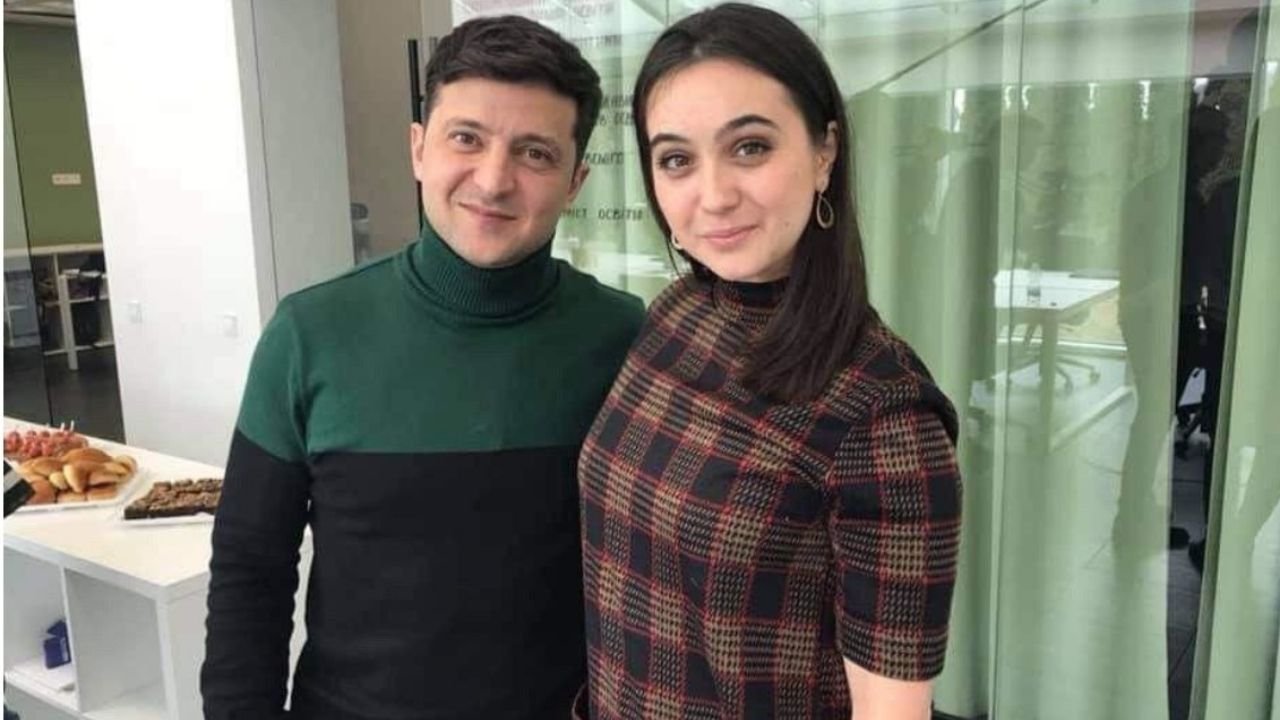
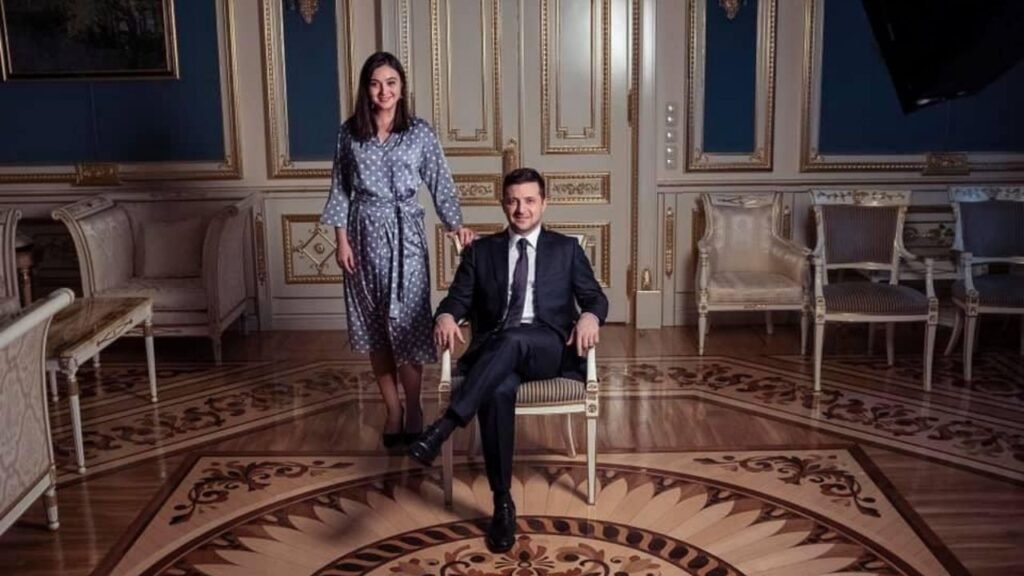
Ukrainian President Volodymyr Zelensky imposed ten-year sanctions on Yuliia Mendel, who served as his press secretary from 2019 to 2021, following a series of controversial interviews in which she repeated claims closely resembling Kremlin propaganda narratives.
The President’s Office said Mendel was among ten Russian and Ukrainian individuals sanctioned for spreading disinformation and Russian propaganda, as well as supporting Moscow’s aggressive policy against Ukraine. The restrictions include an asset freeze and limits on trade operations.
The decision followed Mendel’s May interview with former Fox News host Tucker Carlson, who has repeatedly criticized Western support for Ukraine and previously interviewed Vladimir Putin.
During the conversation, Mendel portrayed Zelensky as one of the main obstacles to ending the war. She called him “one of the biggest obstacles toward peace,” claimed that he “thrives on this war” and described the Ukrainian president as “a dictator.”
Mendel also argued that Ukraine could not defeat the much larger Russian state and suggested that Kyiv was sacrificing its population for territory. She claimed that Ukraine and Russia were both suffering because “Slavs are killing Slavs” — language widely associated in Ukraine with Moscow’s narrative that Russians and Ukrainians are one “brotherly people.”
She also alleged that the Ukrainian delegation had been prepared to accept Russia’s demands during the 2022 Istanbul negotiations but that Zelensky ultimately prevented an agreement. Mendel cited unnamed sources and provided no documentary evidence.
The President’s Office rejected the allegation, stressing that Mendel had not participated in the negotiations and had no access to decision-making at that level.
In the same interview, she made unsubstantiated allegations about Zelensky involving money laundering and drug use. Mendel also claimed that Ukraine had become an autocracy, effectively equating its political system with that of Russia.
Ukrainian Foreign Minister Andrii Sybiha described her statements as “lies and manipulations” that supported Russian demands and ultimatums. Ukrainian fact-checkers noted that Mendel’s central messages — that Ukraine cannot win, that Zelensky is prolonging the war for personal benefit and that Western military assistance only increases Ukrainian suffering — echo Kremlin narratives intended to weaken international support for Kyiv.
The interview was subsequently amplified by Russian propaganda networks. A coordinated disinformation campaign also circulated fabricated front pages designed to resemble major Western newspapers, using Mendel’s allegations to discredit Zelensky before an international audience.
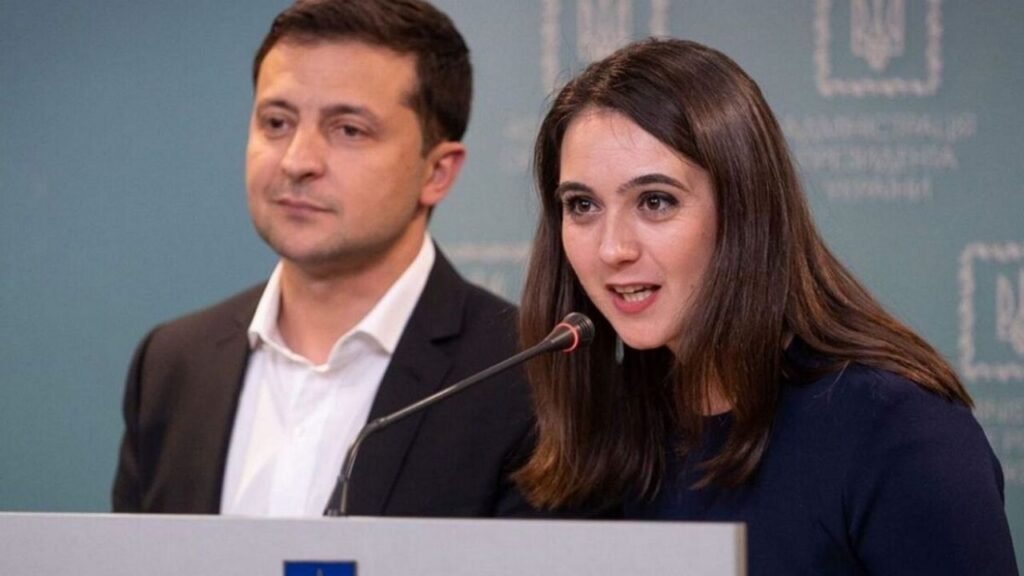
Mendel later continued making similar claims in European media, prompting Ukraine’s Foreign Ministry to warn foreign journalists not to treat her as a reliable source of information.
The Ukrainian authorities have not publicly linked the sanctions to any single statement. However, the decision came after months in which Mendel used her former proximity to Zelensky to lend credibility to allegations that Ukrainian officials rejected as false and that Russian propaganda actively exploited.
Reacting to the sanctions, Mendel said she had expected such a decision following her interview with Carlson.
“I knew that a ‘high treason’ case was being prepared over my interview with Tucker Carlson, and I suspected that sanctions were possible. This does not change my position, nor the position of millions of Ukrainians. To survive, Ukraine needs peace, not another dictatorship, even if it is Zelensky’s dictatorship,” she wrote.
Mendel called sanctions against Ukrainian citizens unconstitutional and accused Zelensky of targeting people who advocate for ending the war. However, she did not directly address the authorities’ accusations that she had spread disinformation and Russian propaganda narratives.