
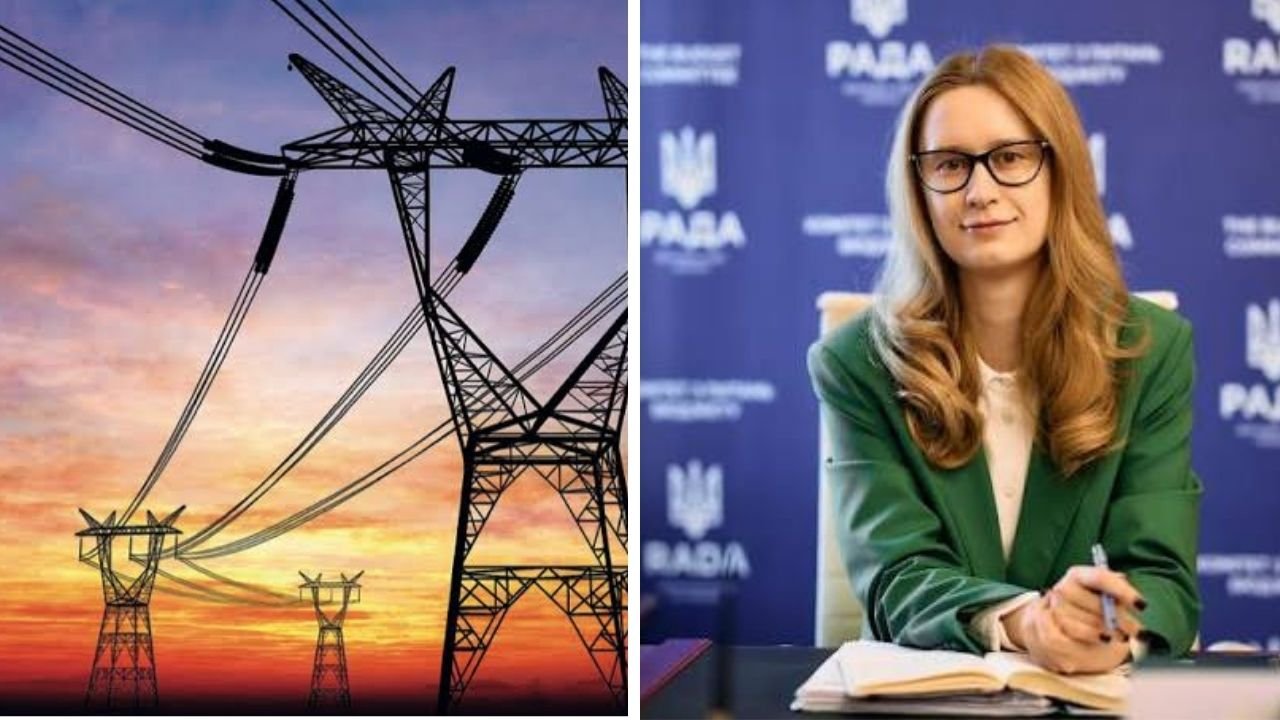
Ukraine’s Finance Ministry has postponed until December some spending on protecting energy facilities and preparing for winter that had been scheduled for September–November. Roksolana Pidlasa, chair of the Ukrainian parliament’s budget committee, disclosed the delay on the “Economic Chronicles” podcast.
According to Pidlasa, the decision stems from delays in receiving international financial assistance. Some of this funding depends on Ukraine meeting commitments to its partners, including passing certain laws. When those decisions are delayed, aid disbursements are also pushed back, forcing the government to postpone planned spending.
The decision affects some funding for infrastructure construction, reconstruction and protection. Beyond energy facilities, the projects include hospitals, shelters in healthcare facilities and schools, and social housing. Spending originally scheduled for September alone that was moved to the end of the year totals 39 billion hryvnias. Social benefits and public sector salaries continue to be funded, Pidlasa said.
The lawmaker warned that postponing funding until December could effectively leave the affected projects unfunded this year.
“When we talk about capital expenditure, we understand that postponing it until December means it will not be funded at all this year, because doing so will simply be impossible,” she said.
According to Pidlasa, the postponement also affects winter preparations. However, her statement concerns a portion of planned funding, rather than a halt to all preparations for winter across Ukraine’s energy sector.
As an example of delays in meeting partners’ conditions, she cited a bill to remove the duty-free exemption for parcels arriving from abroad. According to Pidlasa, parliament was supposed to pass it by the end of August so that Ukraine could receive its next European Union aid disbursement in mid-September. However, the vote did not take place until mid-September. As a result, she estimated that the funds would arrive in late October at the earliest.
Ukraine had planned to secure a total of $50.8 billion in international financing in 2026. According to figures cited by Pidlasa, the country had received around $21 billion by mid-September.
Protecting energy infrastructure before winter is critical because demand for electricity and heating rises during the colder months. Damage to energy facilities from Russian attacks can leave people without not only electricity but also heating and water supplies, which also depend on electrical power. Disruptions hamper the operation of hospitals, schools and businesses. Protective structures and backup power systems therefore need to be ready before freezing temperatures arrive, when the consequences of further strikes could become particularly dangerous.