
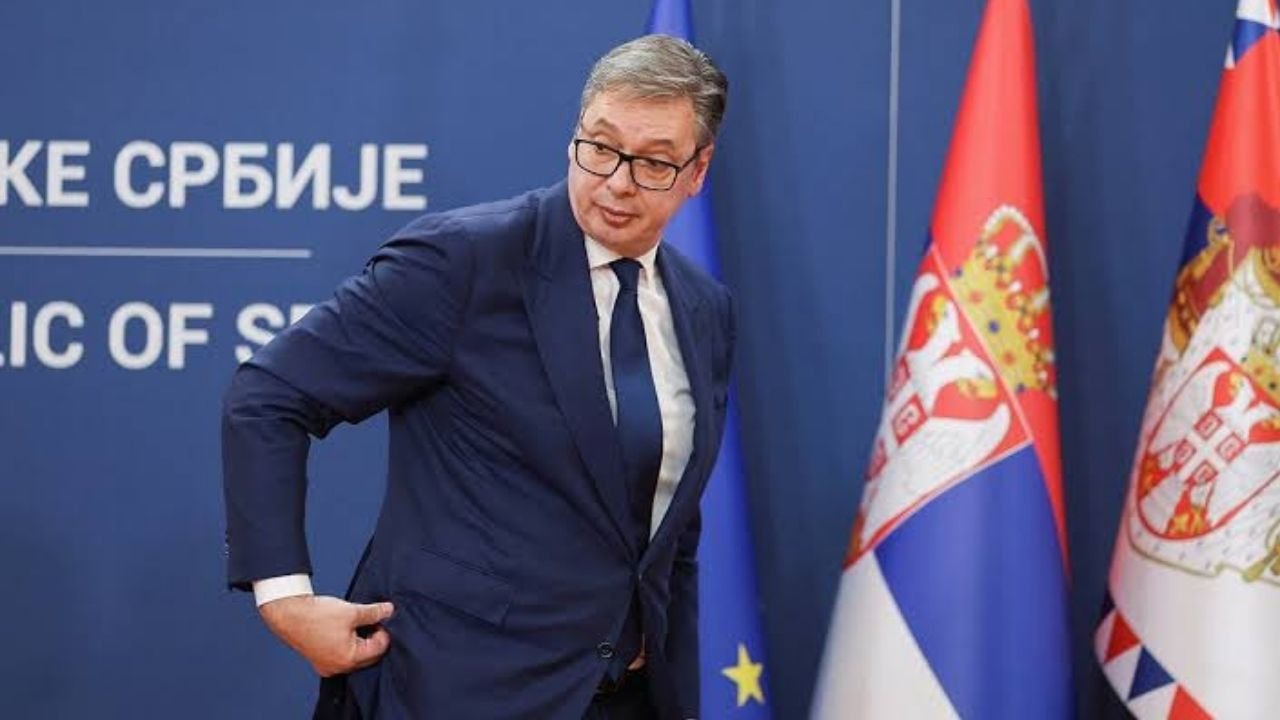
Serbia has witnessed the end of a political era that lasted nearly 14 years. Former President Aleksandar Vučić has acknowledged the defeat of his political bloc in the snap parliamentary elections held on October 25. The opposition Student List, which emerged from mass protests against corruption and the country’s long-standing leadership, secured victory.
According to Serbia’s Central Election Commission, as of October 26, the Student List received 52.65% of the vote, while the Aleksandar Vučić – United Serbia bloc won 39.22%. Voter turnout reached 68.78%, one of the highest levels in recent decades.
The winners are now in a position to form a government without entering into a coalition with Vučić’s political party. Preliminary estimates suggest that the student-led movement could secure approximately 139–140 seats in Serbia’s 250-member parliament.
Vučić himself acknowledged the election results, admitting that his political bloc had lost.
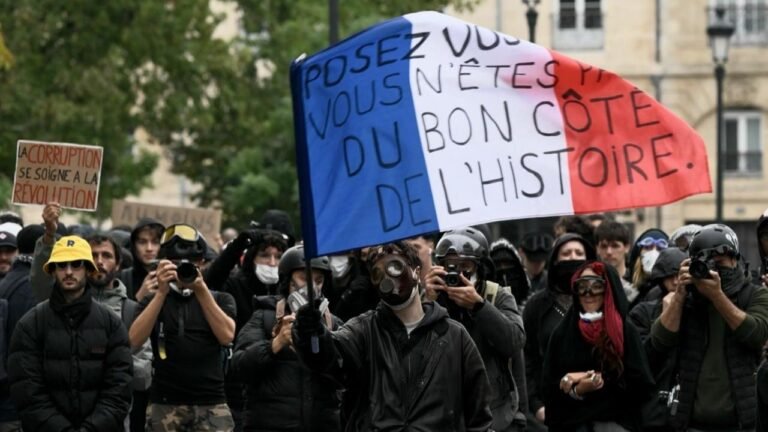
The political turning point followed nearly two years of protests that began after the tragedy in Novi Sad in November 2024. Sixteen people died when a concrete canopy collapsed at the city’s railway station. Demonstrations demanding accountability gradually developed into a nationwide movement against corruption and the concentration of political power.
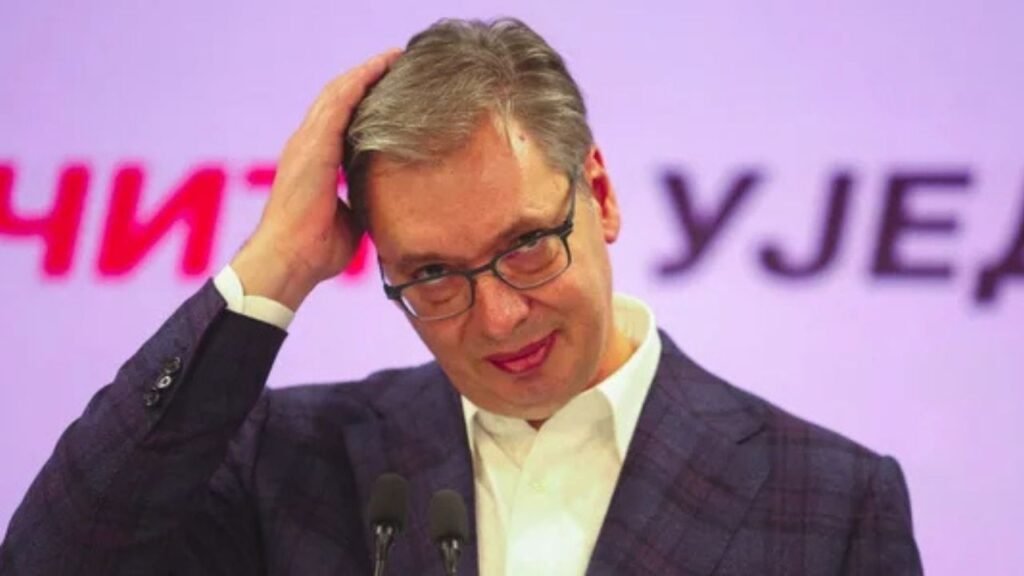
What made these elections particularly significant was that the long-ruling party was defeated not by the traditional opposition, but by a movement that emerged outside Serbia’s established political system.
What happens to Vučić now?
The parliamentary defeat means that Vučić has lost control over the formation of Serbia’s next government, while his political bloc will move into opposition.
He had already left the presidency on September 27, 2026. Parliamentary Speaker Ana Brnabić is currently serving as acting head of state, with an early presidential election scheduled to take place by December 27.
Vučić therefore faces a new political reality. For the first time in many years, his party will no longer determine the composition of the government, while the future of his personal political career will depend on decisions made by both the party and Vučić himself.
Another major question concerns the future of state institutions that have operated under the influence of the ruling party for years.
The incoming political forces have promised to fight corruption and organized crime while strengthening judicial independence. However, there is currently no basis to conclude that criminal proceedings will be launched against Vučić personally.
Will Russia lose an ally?
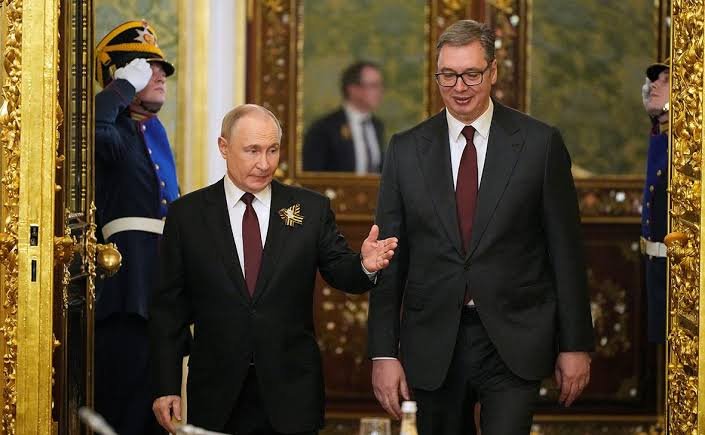
Another important issue is the potential reassessment of Belgrade’s relationship with Moscow.
For years, Vučić sought to balance Serbia’s ambition to join the European Union with maintaining close ties to Russia.
Following his defeat, he claimed that the new government could introduce sanctions against Russia as early as spring 2027.
However, representatives of the Student List have previously expressed a different position. They said they did not intend to automatically join sanctions against Russia, although they acknowledged the need to align Serbia’s foreign policy with its European ambitions.
A change of government, therefore, does not necessarily mean an immediate break with Moscow.
What comes next for Serbia?
The election winners now face the challenge of forming a new government and transforming a protest movement into a functioning political administration.
Among those mentioned as potential candidates for prime minister is cardiologist and professor Ilija Srđanović, who headed the electoral list. However, no final decision has been announced regarding the country’s next head of government.
Under Serbian law, the newly elected parliament must convene within 30 days of the announcement of the final election results, while a government must be formed within the following 90 days.
For Serbia, the election marks the end of years of political dominance by Vučić and his allies.
However, major questions remain unanswered: whether the new government can deliver its promised reforms, how Serbia’s relationships with Russia and the European Union will evolve, and what political role Vučić himself may play in the years ahead.
Leave a comment