
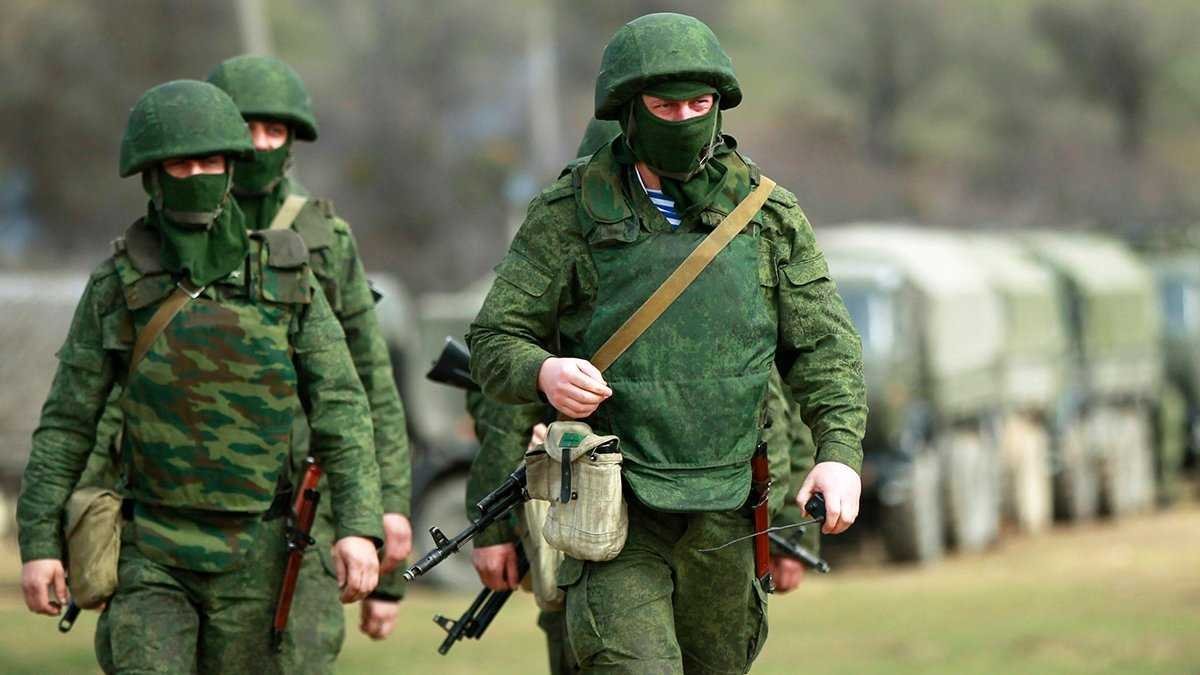
At least 720,000 Russian military personnel may have been killed in the war against Ukraine by the end of September 2026. The new estimates were made possible by a massive leak of confidential data from Rosstat, Russia’s federal statistics agency.
Ukraine Brief reports, citing a joint investigation by Meduza and Mediazona published on November 23.
Hackers gained access to confidential Russian data
In early November 2026, the Belarusian Cyber Partisans and Silent Crow hacking groups gained access to a Rosstat database containing information on Russian military losses.
The documents were shared with journalists, who cross-checked them against other sources and concluded that the database was highly likely to be authentic.
According to the investigation, the deaths of at least 490,000 Russian military personnel had been registered by the end of September 2026. However, these figures do not reflect the full scale of Russia’s losses.
Actual death toll may be significantly higher
For the first time, journalists included in their estimates military personnel listed as missing in action but believed to have been killed.
To assess the actual death toll, researchers used Rosstat data, inheritance records, lists of identified deceased soldiers, court statistics and missing-person notices published by relatives of military personnel.
Using statistical methods employed in mathematics and epidemiology, journalists estimated the total number of deaths at no fewer than 720,000.
Russia registers military deaths with significant delays
The authors of the investigation noted that the deaths of Russian military personnel are often officially registered long after they occur. Authorities are still processing records for soldiers killed in 2022 and 2023.
Support the authors
of Ukraine Brief
→
The proportion of such cases has increased significantly since 2024 and continues to rise.
Researchers acknowledge that the new estimate carries a substantial margin of error, primarily affecting the last 12 months of the war. Estimates for earlier years are considerably more accurate.




Leave a comment