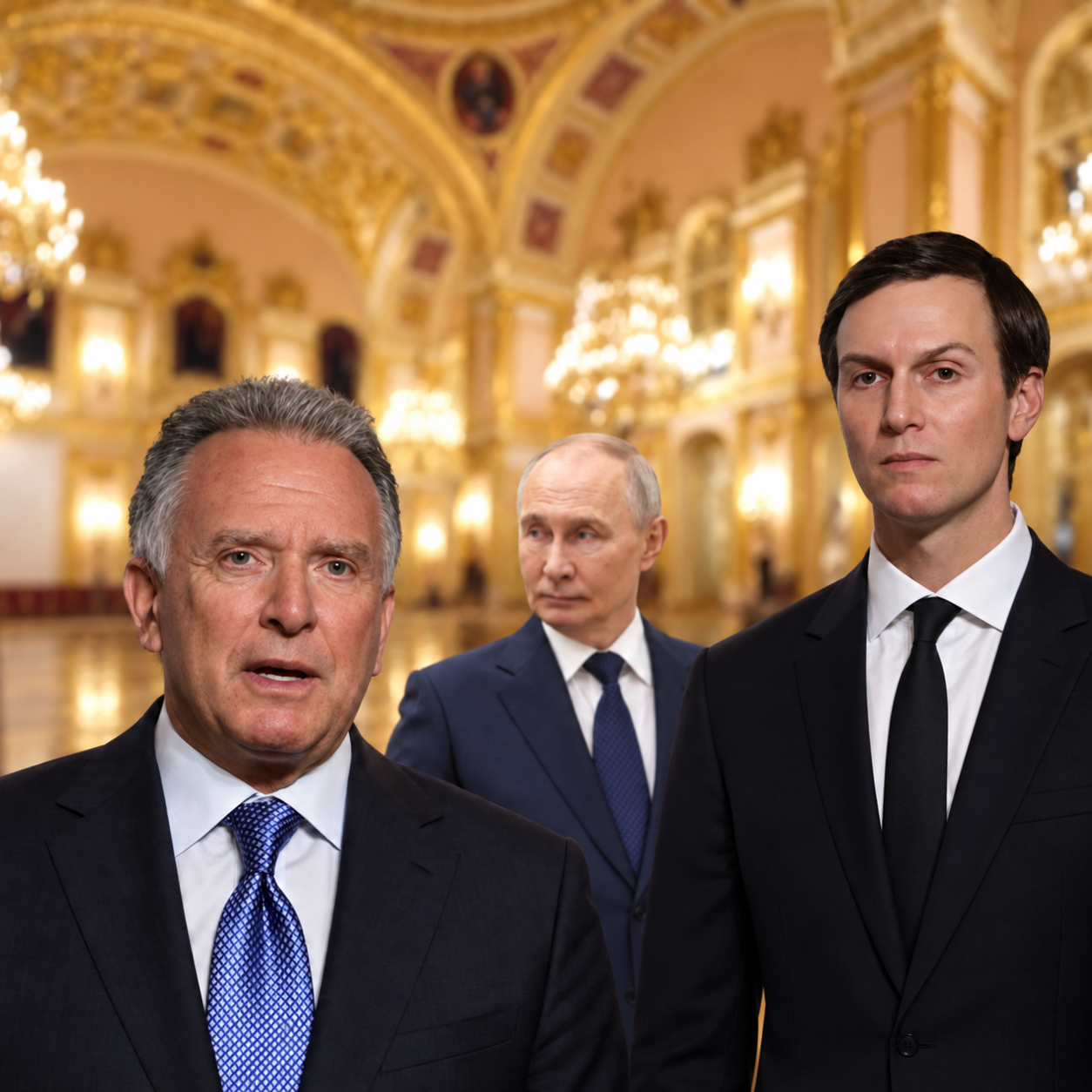
The talks between Vladimir Putin, Steve Witkoff, and Jared Kushner lasted more than three hours. According to Russian presidential aide Yuri Ushakov, the discussion took place both at the negotiating table and over a meal in a more informal atmosphere.
Ushakov also said the US representatives had presented several ideas regarding a possible settlement of the war. He did not disclose their substance. Donald Trump had previously said only that Witkoff and Kushner were bringing a new “idea for peace” to Moscow.
At the same time, the Russian delegation used the meeting to present the Americans with its own account of the situation on the battlefield. According to Ushakov, Moscow emphasized the Russian military’s purported successes and expressed confidence that all of its stated war objectives would be achieved.
Witkoff and Kushner promised to take this information into account during their upcoming talks in Kyiv, the Russian official claimed.
The statement indicates that the Kremlin is attempting to use the US delegation not only as a mediator but also as a channel for conveying its demands to the Ukrainian leadership. By emphasizing the battlefield situation, Moscow is seeking to persuade Washington and Kyiv that time is supposedly on Russia’s side and that Ukraine should therefore agree to concessions.
However, Moscow’s portrayal does not necessarily reflect the actual situation on the battlefield. Russian forces continue to advance in certain sectors, but progress remains slow and comes at the cost of significant losses. Western military analysts doubt that Russia can quickly achieve its maximalist objectives.
According to Reuters, the Kremlin’s position on the conditions for ending the war has not changed significantly. Moscow continues to demand that Ukraine surrender the entire territory of four Ukrainian regions claimed by Russia and abandon its ambition to join NATO.
A source close to the Kremlin told the news agency that Putin was not yet prepared to agree on a final line of demarcation. The Russian president reportedly expects to capture the remainder of the Donetsk region before entering substantive discussions on ending hostilities.
If this information is accurate, Moscow views diplomacy as an extension of its military pressure. The Kremlin may be seeking to buy time, improve its battlefield position, and have US mediators present Russian demands to Kyiv as the basis for a future agreement.
Russia’s announced three-day pause in strikes on Kyiv also does not amount to a broader ceasefire. The restriction applies only to the Ukrainian capital and is linked to the safety of the US representatives. The Kremlin has not agreed to suspend attacks across Ukraine or halt hostilities on the front line.
The pause should therefore be viewed primarily as a diplomatic gesture toward Washington rather than the beginning of genuine de-escalation.
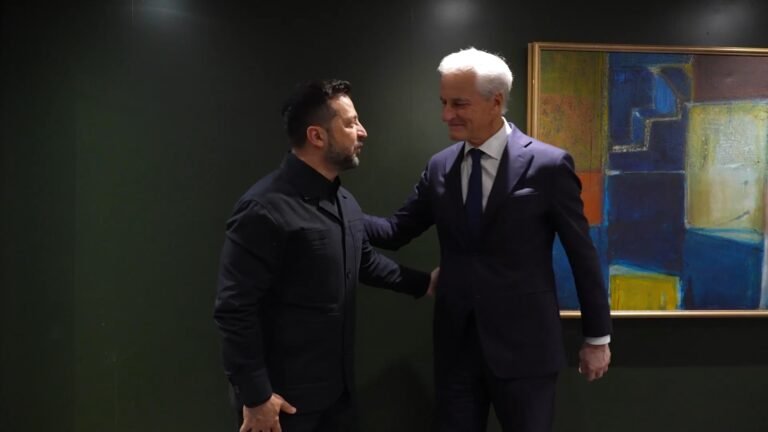
The next stage will begin after Witkoff and Kushner arrive in Kyiv. They are expected to convey Putin’s position to Volodymyr Zelensky, present their own proposals, and determine whether there is any room to bridge the gap between the two sides.
The crucial question is whether Russia is prepared to discuss a ceasefire without first demanding the withdrawal of Ukrainian forces from the unoccupied parts of the Donetsk region. If the Kremlin continues to insist on its maximalist demands, the current diplomatic push may end without producing substantive peace negotiations.