Ukraine has successfully tested another interceptor designed to destroy Russian jet-powered drones. Its military leadership has also identified the next priority targets for long-range operations. President Volodymyr Zelensky announced the developments, linking the results of strikes on Russia’s oil industry to stronger diplomatic prospects.
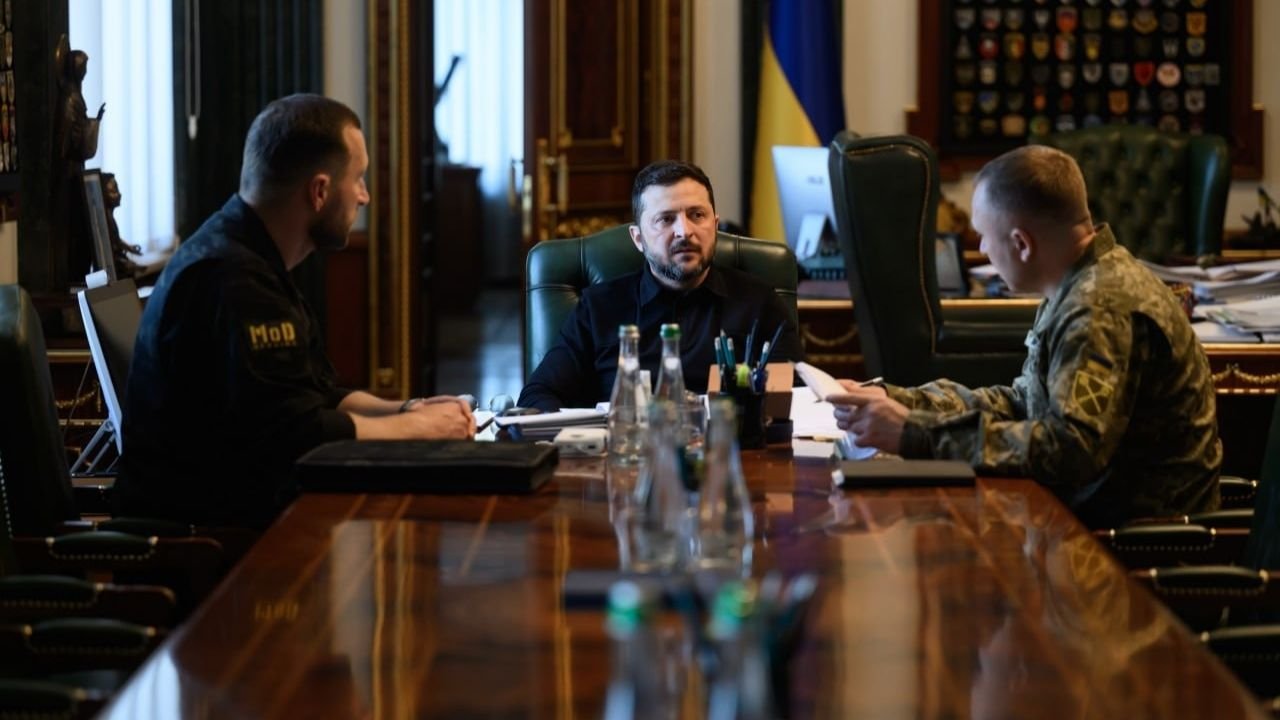
According to the president, Mykhailo Drapatyi, Commander-in-Chief of the Armed Forces of Ukraine, briefed him on the trial of the new counter-drone interceptor. It successfully struck a jet-powered Shahed, although developers still need to refine certain aspects of its controls.
“The Shahed was successfully hit, but some aspects of the interceptor’s controls need further work. We are continuing the effort — more time is needed,” Zelensky said.
The announcement specifically concerned a test result. The president did not disclose the interceptor’s model, manufacturer, technical specifications, or a potential timeline for mass production and delivery to the military. He also thanked Ukrainian developers for their efforts to create a new means of countering Russian drones.
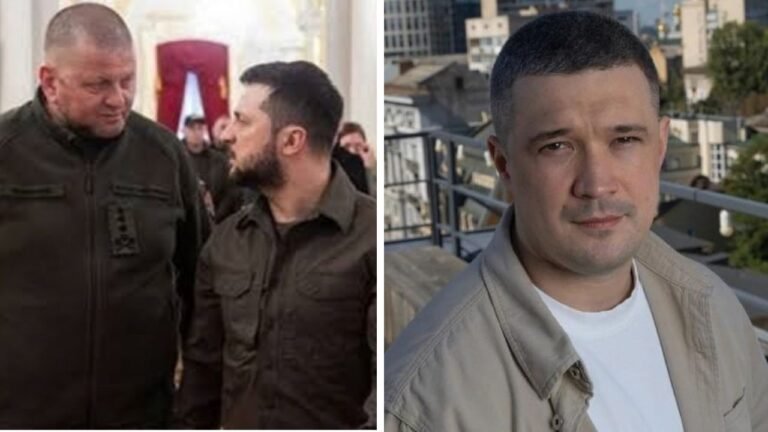
The briefing separately addressed preparations for further military operations, including the use of long-range weapons. Zelensky said that, together with Yevhen Khmara and the commander-in-chief, he had identified the next priority targets, the resources required, and the necessary preparations. He did not disclose specific targets or operational timelines.
The president also praised the Ministry of Defence’s work in supporting these operations. He described the results of long-range strikes on Russia’s oil industry as substantial, calling the sector “the oil foundation of the war.”
“The results of our long-range strikes against the oil foundation of Russia’s war are substantial, and this is precisely what gives diplomacy the strength it needs,” Zelensky stressed.
In his statement, the president thus directly linked military pressure on Russia to diplomatic efforts. He presented strikes on oil facilities as a factor strengthening the prospects for de-escalation, particularly when it comes to protecting Ukraine’s critical infrastructure.
Zelensky reaffirmed Ukraine’s readiness to take its own steps to reduce tensions. At the same time, he emphasised the role of international partners: they must ensure that Russia also fulfils its commitments and that any halt to attacks on Ukrainian critical infrastructure is lasting and reliable.
“Ukraine is ready to take its own de-escalatory steps, but our partners must ensure that Russia acts in good faith in implementing its de-escalatory steps concerning our critical infrastructure — reliably and over the long term,” the president said.
Zelensky did not outline a specific mechanism for monitoring compliance with such commitments or list the steps Ukraine might take. His statement sets out Kyiv’s position on the conditions for de-escalation but does not announce the start of a mutual halt to strikes.